Essay Questions for Kids

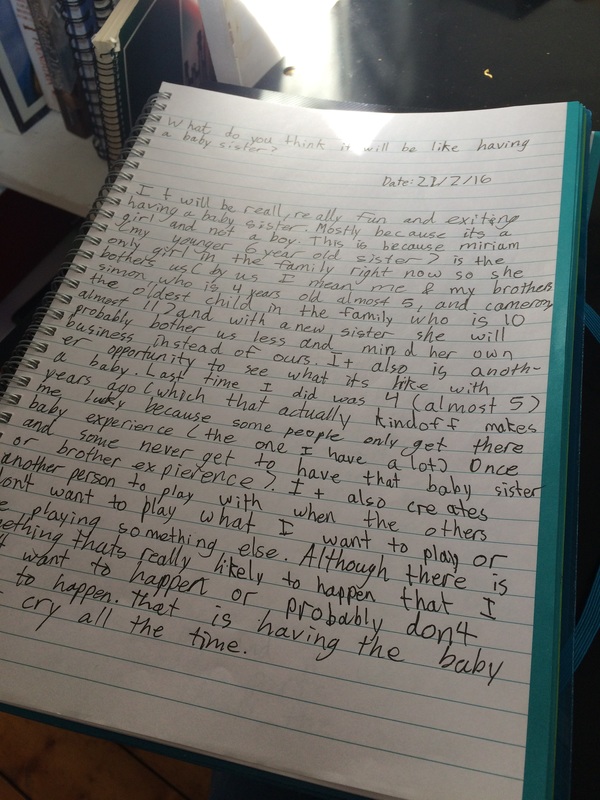
I’m going to go ahead and just write all the questions I used for each of the boys, but some of them have obviously been personalized to my kids and their experiences, or maybe books they have read recently.  One of the great things about this idea was that if there was something I specifically wanted to know, about what they were thinking our how they were feeling about something, this was the perfect opening.  Although, sometimes when I was fishing for something specific, I didn’t get any satisfactory response, whereas other less targeted questions yielded great insights.   Just as a disclaimer, there were some questions I didn’t worry about asking Cameron, but I wasn’t comfortable asking Eli. So I just suggest being thoughtful and deliberate about your kids and their needs.  

Also, some of the questions are political and some are religious.  I also let them write about a book they have just finished or once in awhile they choose their own topic.  

I hope if you try this with your kids you’ll find it as rewarding as I have. And I’m always in need of new questions- so if you think of any post them in the comments! 
CAMERON: Age 10 

– What do we mean when we say “the grass is greener on the other side of the fence?”
– What causes you to feel afraid? Do you feel fear about non-physical things?
– What is something about yourself that you don’t like?
– What is respect? Who deserves it? How do you show it or give it?
– If you could have been someone in history, who would you have been? 
– If you could do whatever you wanted, right now, what would you do?
– If you could be in the Guinness Book of Records, what would it be for?
– What does the phrase “personal responsibility” mean to you?
– Describe a time when you felt very angry. 
– What is violence? Do you think there is too much violence on T.V. and in video games?
– What are some reasons for not drinking alcohol?
– Is bullying a problem at your school? If it is, why do you think so? If it is not, why do you think so?
– How old should you be to have a smart phone? Why?
– What is racism? Why are some people racist?
– How do we determine if one culture is better than another?
– Why is racism a problem? What can you do?
– Do violent video games make people more violent in real life? 
– What are your favorite movies?
– What makes a good commercial?
– Do moms and dads expect different things from their sons and daughters? 
– Why aren’t there more girls as leaders in countries, government and businesses? 
– When should a government decide to solve problems using the military?
– What is gratitude? How does it make us feel more happy?
– What does it mean to be a good listener?
– If you could travel back in time to your nine year old self, what advice would you give about moving to London?
– Who is a person you know that seems the most Christ-like?
– Is it easy for you to pray? How do you picture God?
– How should parents handle a bad report card?
– Are your parents too protective? Not protective enough? Or just right? How do they protect you?
– Is the UK a great country?
– What stops you from being kind to other people?
– What are some qualities of a good leader?
– What song lyrics do you love?
– If you could invite anyone to dinner, who would you invite? What would you talk about?
– Could you understand what it was like for Malala to move from her country to England? What feelings did you have in common with her?
– What rights and freedoms do you have that are important to you?
– What opinions do you have that are the same as your family?
– What opinions do you have that are different than your family?
– What are the advantages and disadvantages of being the oldest?
– Are there times when it is best to not to speak out, and times when it is best to make your voice heard?​

ELI- Age 8

– What do you like most about yourself?
– What historical figure do you admire?
– What does it mean to be brave? Have you ever done something brave?
– What is one of your life goals? What will it take to accomplish it?
– What makes you feel safe?
– What does kindness mean to you? How does it make you feel to give it and receive it?
– Is it easy or hard for you to make decisions? Why?
– If you were a mouse in our house in the evening, what would you see you family do?
– If you make a mess, who cleans it up?
– If there were no rules, what would happen in your city?
– Why does God give commandments?
– Why do you think the ability to focus is an important quality?
– What do you think the world will be like in 50 years?
– How does your school deal with students who misbehave? Do you think it works?
– Does it matter how many kids are in a class? 
– Does technology make us more alone? 
– Why is it important for people to care about one another?
– Why is cultural diversity important?
– Why do we need art in our lives?
– What are your favorite books and authors?
– Do you think boys and girls should have different jobs or responsibilities?
– Does having a lot of money make you happy?
– Which is more important, talent or hard work?
– Do people complain too much?
– Is it important to live in a clean house?
– What makes a good friend?
– When was a time that your feelings were hurt?
– What is the hardest part about being eight?
– Who is your favorite aunt or uncle? (Don’t ask me why I chose this question- but Eli wrote the sweetest most diplomatic answer about how it would be rude to choose a favorite and he loved all his aunts and uncles.) 
– If you could be an animal for a day, what would you be? 
– How much food does your family waste?
– How do your parents teach you to behave? Do you agree with it?
– Is America a great country?
– Each day people do things to you that make you feel sad or angry. What are those things? How do you forgive?
– What are the best things about being part of a big family?
– What do you want to be when you grow up?
– What is your favorite season?
– Why does your brain experience fear? How does this help you? How does it hurt you? 
– What are some ways to help you handle fear?
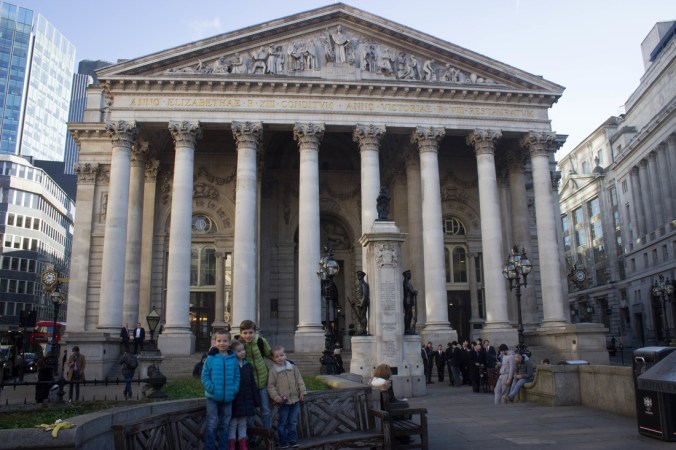
The Bank of England & Monument – #36

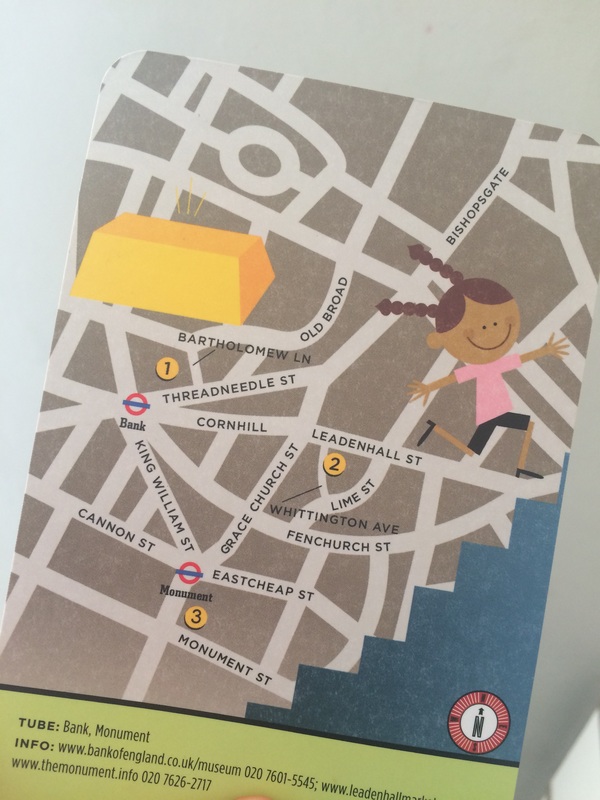
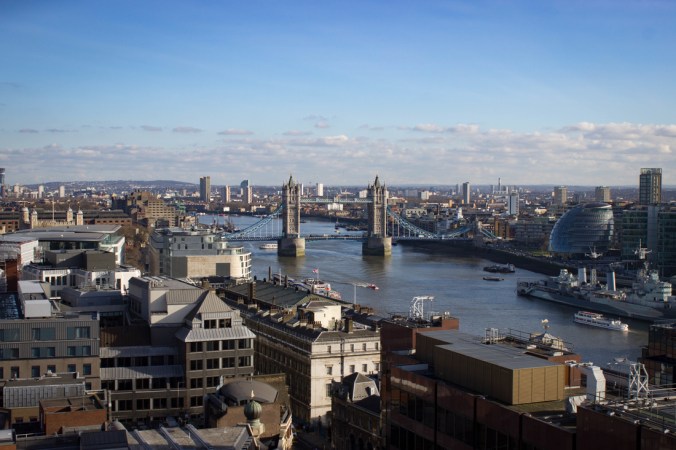
The kids have a week holiday in the middle of each term, and sadly during their half-term break in February we were fighting a horrible stomach flu.  It took eleven days to work its way through each member of the family, and none of us were spared.  But between the first wave and second wave, when we were naively believing it was finished, we had one good day to go out.  I chose another Adventure on foot and we followed it almost exactly, beginning with the Bank of England Museum.  

The museum was really kid-friendly, I think in fact it’s directed almost entirely for children.  It talked about the history of the Bank of England, inflation, the gold standard, and the evolution of British currency.  We were also really lucky that since it was half-term there was a man doing “readings” from The Wind in the Willows.  Kenneth Grahame, the author, was a long-time employee of the Bank of England, and there is an exhibit there to honor him.  The gentleman performing was all dressed up, and did an animated performance of a scene from the book.  It was so great, the kids and myself were all captivated.  Mim and Simon wanted to stay for a second performance but others of us were getting hungry. ​

Picture

This building is just an office building, built in 1903, but architectural pride is one of London’s greatest charms.

Picture

The Bank of London

Picture

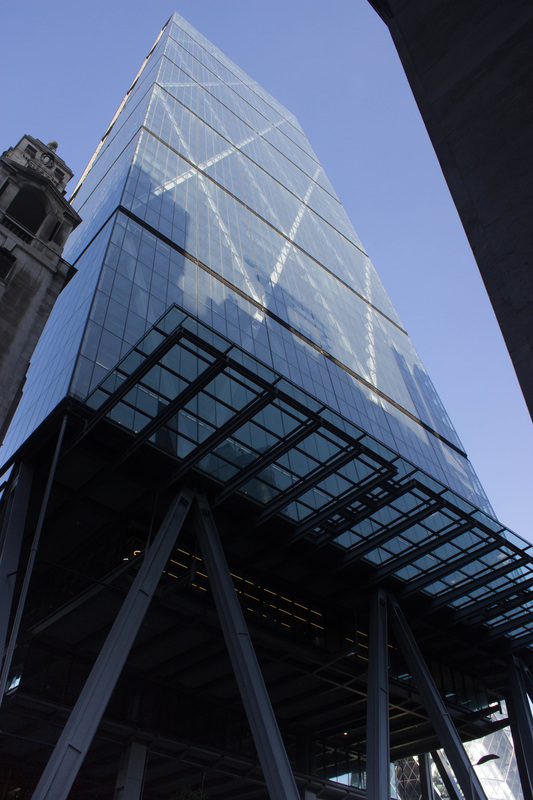
The Leadenhall Building, aka the “Cheese Grater”.

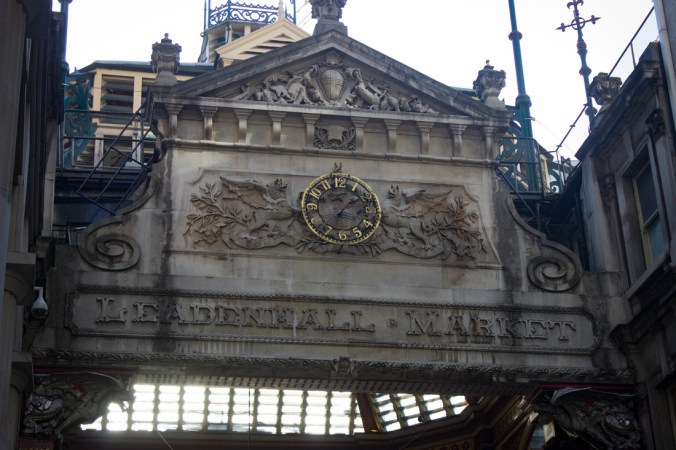
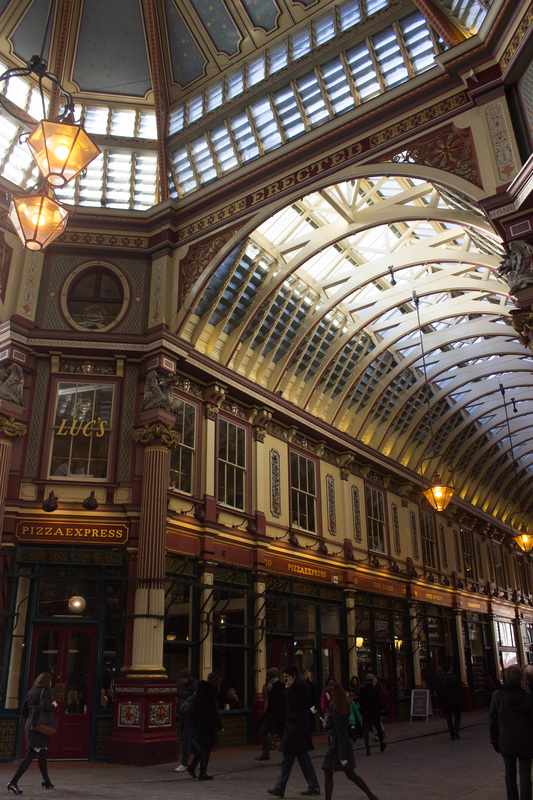
We walked from the museum to Leadenhall Market, which makes a brief appearance as the entrance to Diagon Alley in the first Harry Potter movie.  We ate lunch there, and a couple really nice women complimented my kids on their great behavior.  You’d never know what good kids they are from the expressions on some of these faces…
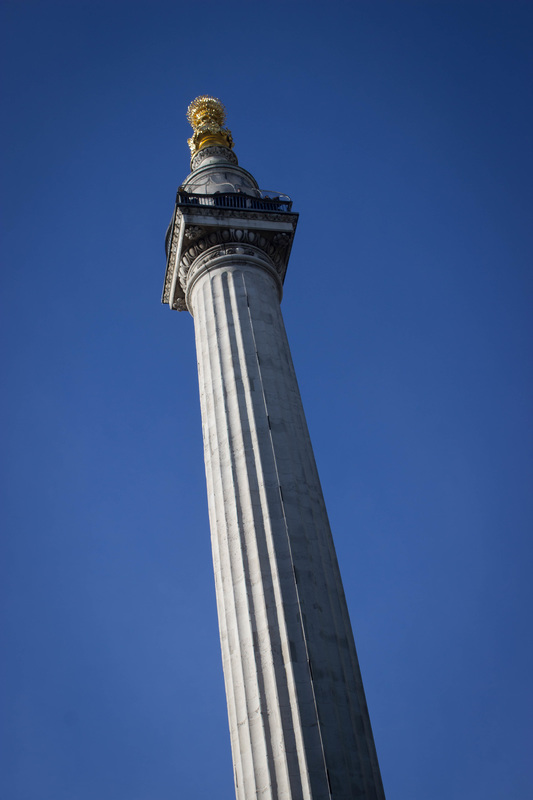
After lunch we walked to The Monument, which is a tall Doric pillar that was built as a memorial to the Great Fire of London in 1666.   The monument was begun in 1671 but took six years to build because of a shortage of Portland stone. This caused the king to issue a proclamation forbidding anyone to use this particular type of stone for any projects without the express permission of Sir Christopher Wren, the architect and surveyor of the monument.  

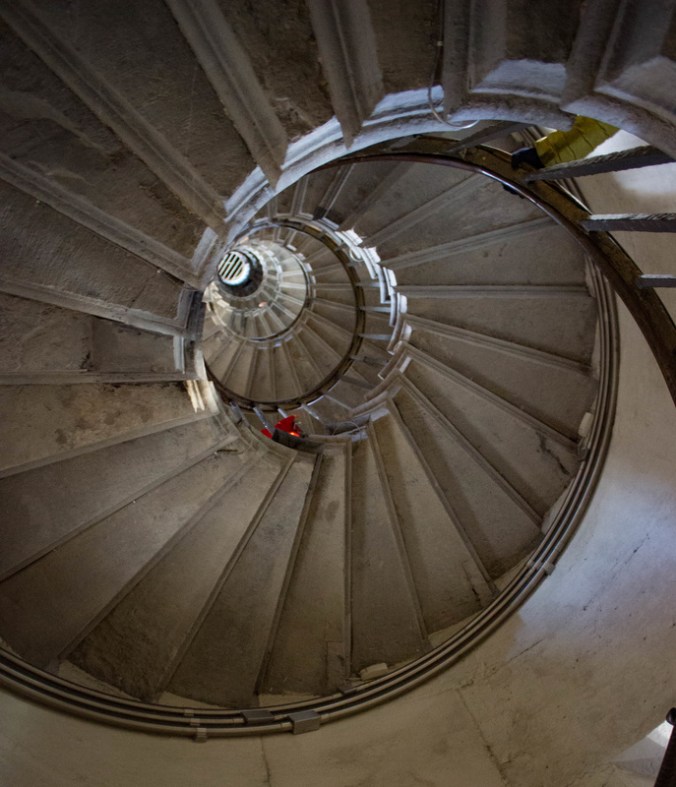
We climbed 311 steps to the of the monument, although Cameron swears he only counted 307.  

Picture

Stairs going up…

Picture

Stairs going down.

Picture

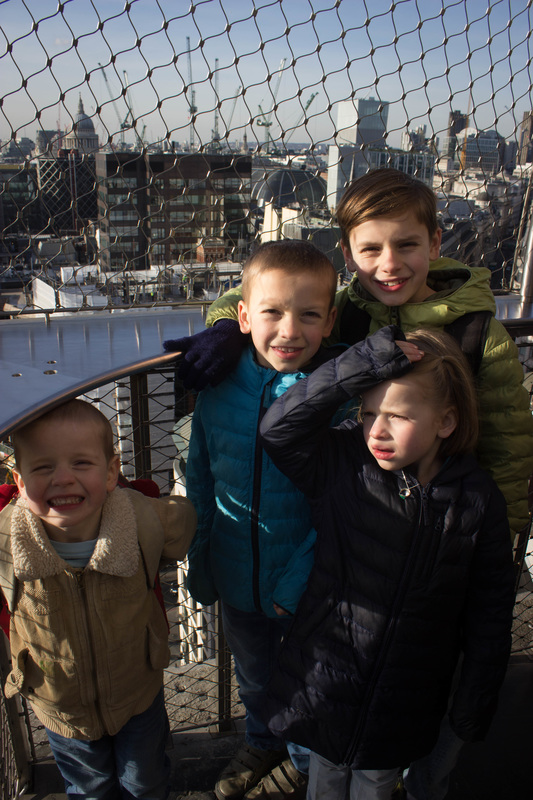
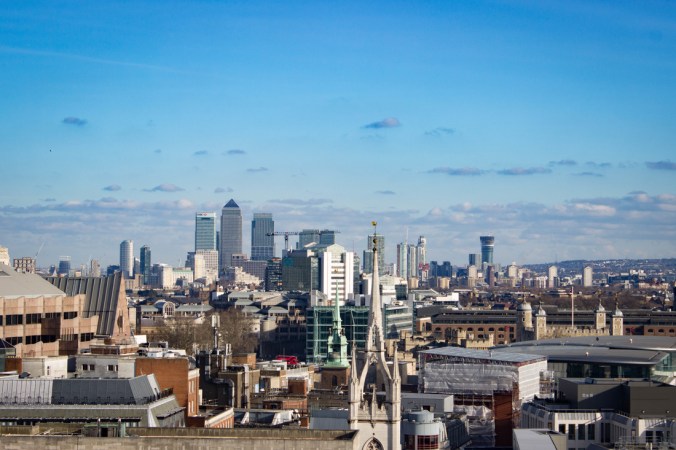
Great views and blue sky!

Picture

Canary Wharf

Picture

20 Fenchurch Street, aka the “Walkie Talkie”, with the “Gherkin” and the “Cheese Grater” in the background.

After we descended the windy staircase with caution, we went to Patisserie Valerie to pick up the birthday cake I had ordered for myself; the cake that we wouldn’t get to eat for two days because of the aforementioned stomach flu…

Brighton

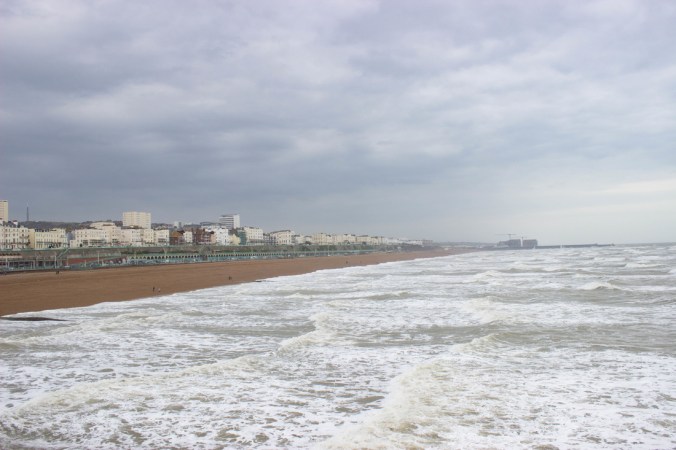
I’m sure we picked the worst time of the year to see England’s most famous beach.  But we knew that we probably won’t have any better opportunities, considering our list of things to see is not shrinking, so one Saturday we decided to just make a day of it.  Because we are in South London, it’s a pretty straight shot out of the city and it didn’t take us long to drive down.  

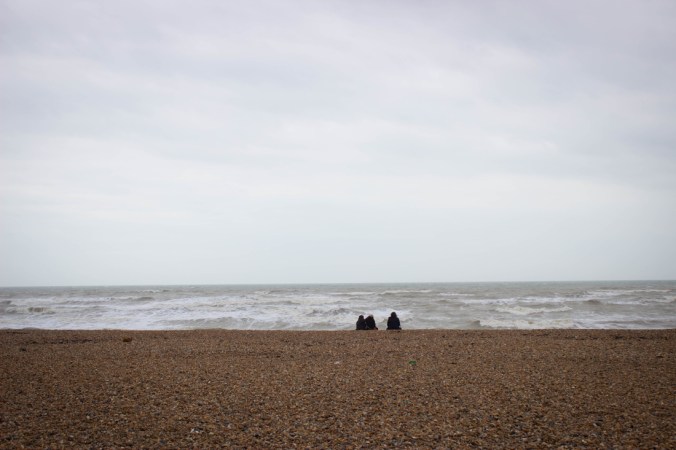
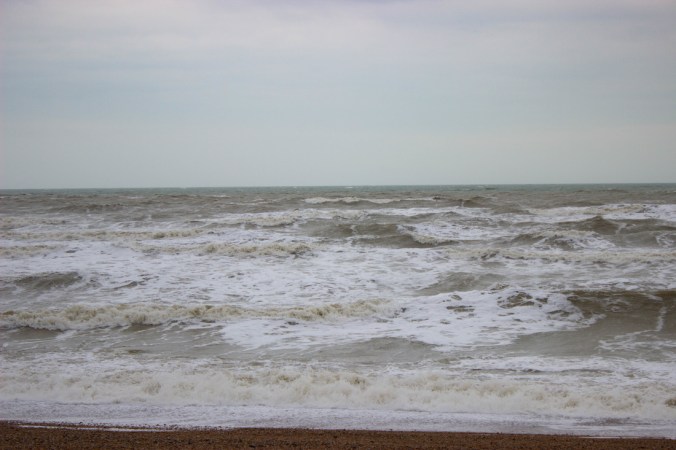
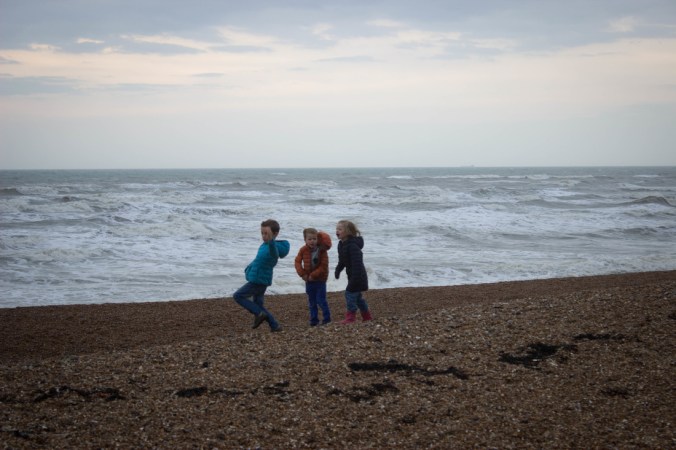
It was really windy, cloudy and although we didn’t get rained on, we were cold.  That didn’t stop the kids from wanting to play on the beach, which they did for as long as Richard and I could handle it.  Then we we went to the Brighton Pier, played some games in the arcade, and just watched the crazy waves crash into the pier and the shore.  There was actually a guy surfing that we watched for a bit too.  

Picture

Many (most?) of the British beaches we’ve been to have been rocky and not sandy. So I didn’t feel to badly about missing out on this tourist stop in the summer time.

There were a lot of fun restaurants and shops all along the beach front, boardwalk style. I’m sure in the summer time there are people everywhere eating ice cream and flying kites.  
We found a place to eat a late lunch/early dinner, which took longer than I had expected.  I wanted to see the Royal Pavilion, but it was dark by the time we finished, so we just did a drive-by.  (We had seen it as we came into Brighton as well.  It’s gorgeous.)  

It wasn’t at all the Brighton experience I’ve read about in Jane Austen books, but it is always nice to get out of the city for a day.  

Confessions from my Ego

Some Honest Thoughts About my Forthcoming Repatriation 

Every once in awhile I joke with Richard about how I wish I was cool.  He usually rolls his eyes at me because, how juvenile right?  But we all know the cool people; the people who just seem to attract friends, whose lives, even if not perfect still seem charmed.  At work, at church, at my kids’ school, there are just always the people with the hip factor.  They just have it.  In any case, the 14 year old in me hasn’t let go of her dream of being cool.  And moving to London seemed to be my chance.  I’ll be cool when I live in London.  That’s my IN to cool.  
Well, our time here is running down and I still don’t feel cool.  And in addition to all the other reasons I feel sad about leaving this amazing place, my ridiculous ego is telling me that my cool chance is up when I no longer live abroad, when I can no longer post pictures of Big Ben on my Instagram or blog about visiting Europe.  

My ego loves the idea of people being jealous of me, until someone actually says those words to me. “JO! I’m so jealous!” When I hear those words my ego collapses and I want to just unload on that person how all these things I’m trying to use to look cool are really just things, and I’m still me with all my insecurities and troubles in life. I want to reassure people, “I’m just me.  Living here doesn’t entitle me to any more happiness or contentment than you. My worth isn’t connected in any way to my circumstances.”

And yet, if I didn’t really believe that my worth was connected to my circumstances, my ego wouldn’t be perspiring about my upcoming change in circumstances.  My ego tells me that my circumstances are EVERYTHING to my worth/”coolness”.  I am worthy/cool when my children excel, when my wardrobe is fashionable, when my life is full of interesting and exciting adventures…

Adam Miller is a Mormon philosopher who wrote something that dramatically influenced the way I feel about my ego, and my attempts at being cool.  He talks about our “story”, and how we spend our time trying to make the reality of our life match the story we have envisioned for ourselves.

“Everyone knows that little blush of pleasure that comes when you feel like your life and your story match.  And I’m sure you know the pinch of disappointment that follows when you feel like your life hasn’t measured up.  These blushes and pinches tend to rule our daily lives.  They push and pull and bully us from one plot point to the next.  ‘Now I should be this,’ we say, ‘now I should have this, now I should do this…'”

Moving to London was the climax of my pleasure at the synchronization of my life and my story.  And now with four months remaining, I feel a blanket of fear settle over me, that there is an impending pinch of disappointment.  A pinch that will be the climax of my disappointment that my life hasn’t measured up.  If this didn’t work, then nothing will ever make me cool.    

As I ponder on all this pushing and pulling that I do to try to get admiration and attention, I realize that it leaves very little room for gratitude, and makes it difficult for me to set space to feel the really humbling and sanctifying feelings of sadness about the things I’ll be leaving behind, that have nothing to do at all with my story.  The people, the memories, the quiet moments of awe known only to me.  I wish I could say that I’ve learned my lesson and I’ve overcome the part of me that thinks true joy will come from validation and adoration.  Unfortunately I’ve only achieved awareness and not mastery.  This experience in London has taught me so many things, not the least of which is this. 

“Even if you can get a story to work for a while, you’ll still be afraid.  And when it fails to meet the measure of life, as all stories do, you’ll feel ashamed and your shame and guilt will manifest once again in that familiar pinch of disappointment.”

As I face my fears of being inadequate, of moving back to the United States and just being average, of losing out on all the attention my time in London has brought me, I catch glimpses of what it’s like to not live as a prisoner to my ego.  There is such freedom in surrendering my story, in relinquishing my need for validation, in living in a state of gratitude and not comparison.  At age 34 I am just starting to consider the possibility of leaving “cool” on the altar.  

Some final thoughts from Miller. 

“Life is full of stories, but life is not a story.  God doesn’t love your story, he loves you…[and] Faith is about sacrificing your story on his altar.”

City Walks – East London

Picture

Positively visually delicious

On an overcast day in January I followed an online self-guided walk through East London, written by Richard Jones.  The area covered a part of London known for its poverty, various immigrant settlements, the “murderous hunting ground” of Jack the Ripper, and the slums often written of by Charles Dickens.  It was fascinating! Every turn had historical intrigue and also London charm.  Here are a few gems.  
Picture

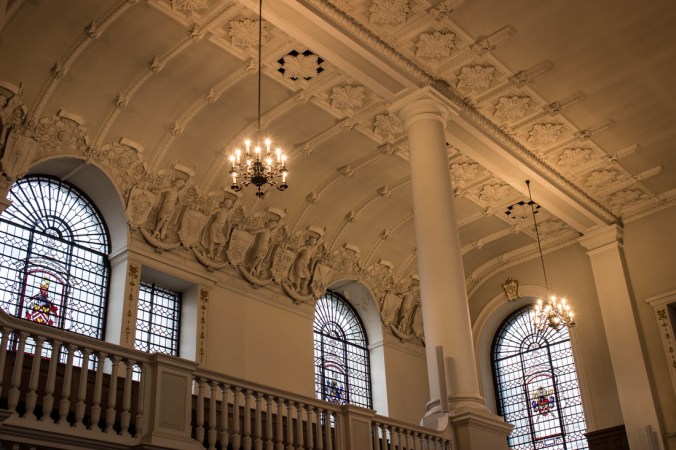
The interior of a church, the present structure built 1740, cited in Tale of Two Cities as the “easterly parish church of Houndsditch” where the character Cruncher was christened as “Jerry.”

Picture

A little juxtaposition of the modern with the classical.

Picture

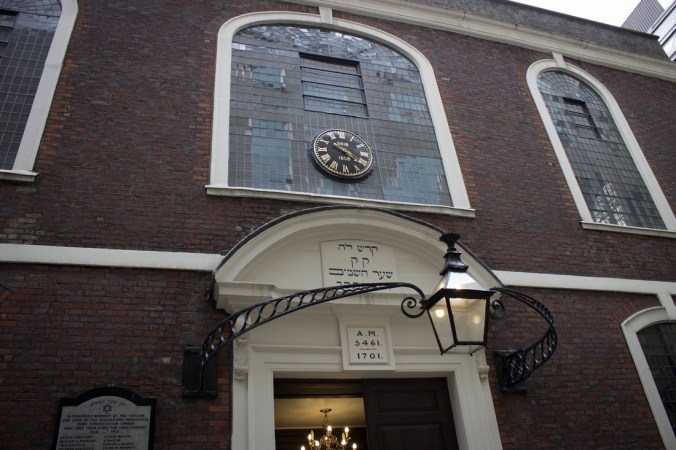
Bevis Marks Synagogue – 1701 – the oldest synagogue in London.

Picture

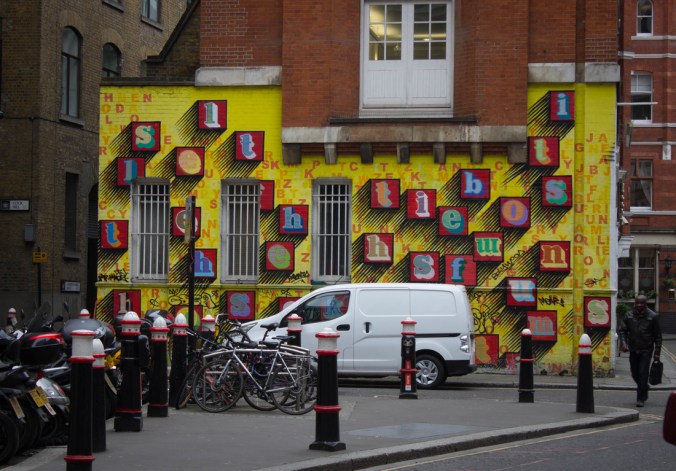
“Street art”

Picture

“56 Artillery Lane. This building dates from 1756 and is widely regarded as the finest Georgian shopfront in London.”

Picture

Artillery Passage, named for the fields nearby where Henry VIII permitted the Honorable Artillery Company to practice. (Suffice it to say there are no longer any fields nearby.)

Picture

Formerly the Providence Row Night Refuge and Convent, this pretty building was built in 1868, was run by nuns, and provided lodging to the “destitute from all parts, without distinction of creed, colour and country.”

Picture

A Jewish soup kitchen that opened in 1902, was most busy during the Great Depression, when it served 5,000 people each week.

Picture

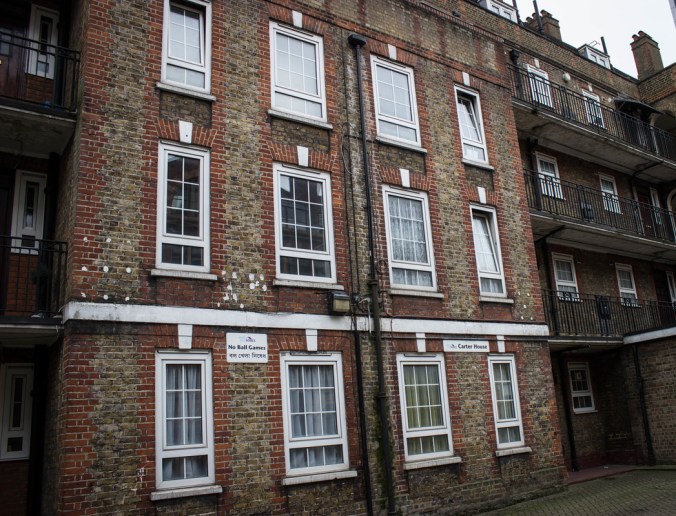
These flats looked straight out of “Call the Midwife.” (Which takes place in the poverty-stricken East London of the 1950s.)

Picture

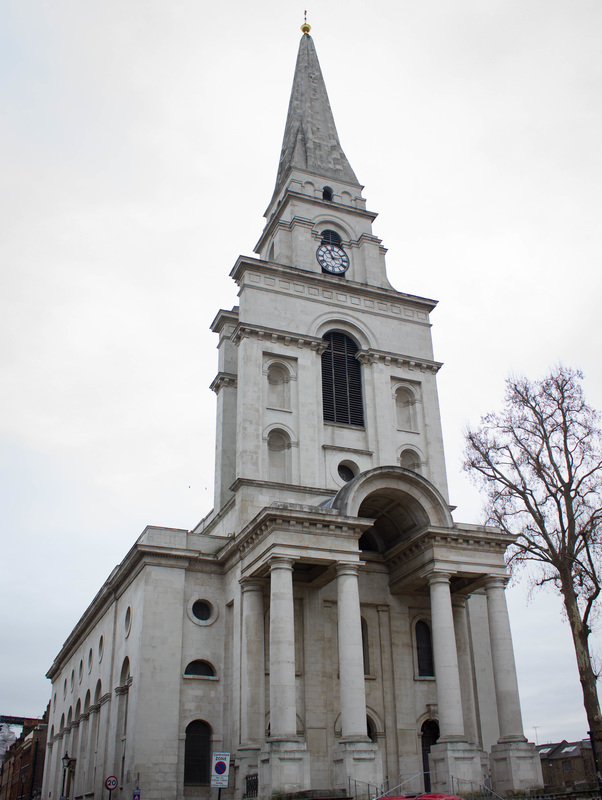
Christ Church of Spitalfields – 1720.

Picture

Old Spitalfields Market

Picture

Because you’ve always wanted to see a food truck covered in astro-turf, right?
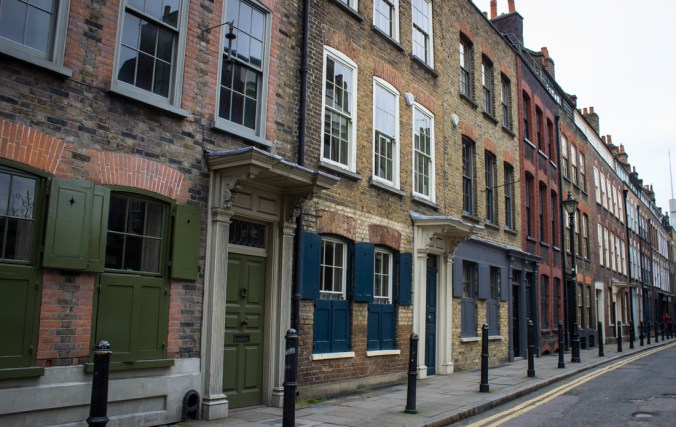
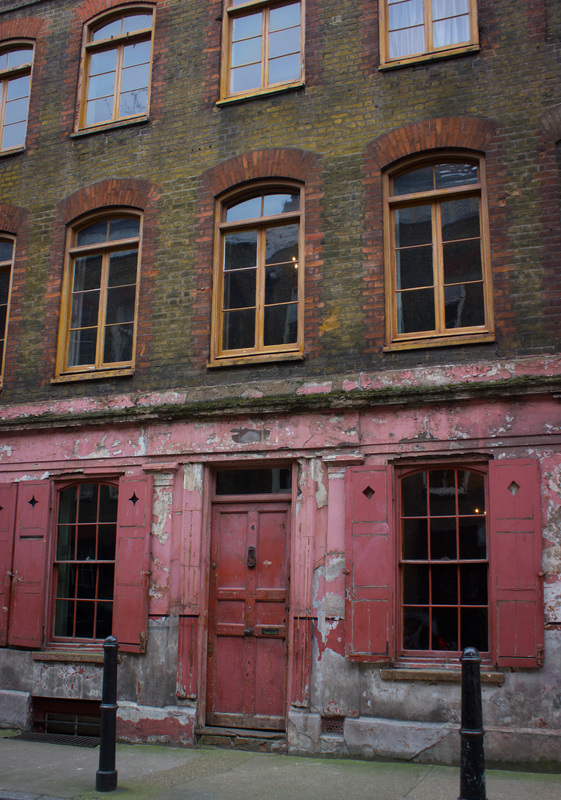
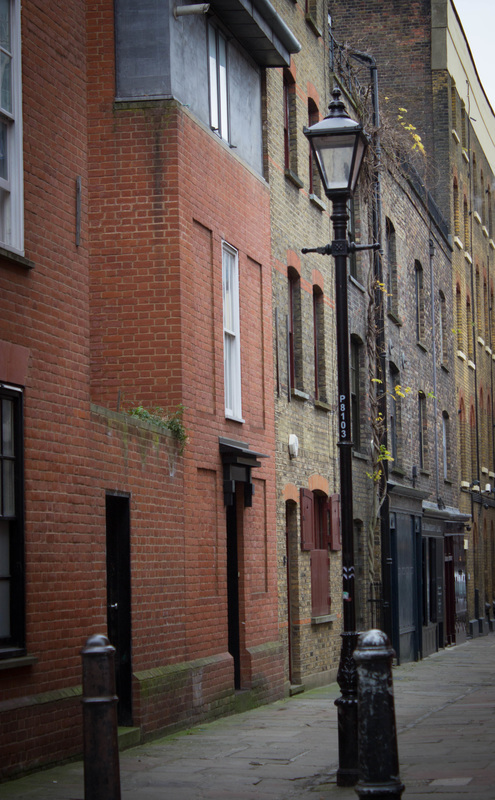
These streets were the highlight of the day for me.  The colored shutters, the classic London chimneys, the varied brick facades, were such eye candy.  You would never guess that they were the homes of London’s poorest citizens in the 19th century. 

From the words of Mr. Jones- 

“The buildings that you have passed and those that now stretch before you, have a genuine timelessness about them. Built in the 18th Century for the Huguenot silk merchants and master weavers, they had by the mid 19th Century become common lodging houses, offering miserable living conditions to the poverty-stricken and partly criminal populace.

Number 4, on the right, which has a distinctly down-at-heel look about it, does in fact preserve much of its 18th- and 19th-century paintwork and fixtures and fittings. Indeed, so unchanged is its character that recent television adaptations of Great Expectations; Nicholas Nickleby and Oliver Twist, as well as several biographical films on Dickens’s life, have been filmed here.”

Apparently I didn’t get a picture of the next building that captured my attention.  But once more, here is the description from Richard Jones. 

“Built in 1743 as a Huguenot School and chapel, the building was acquired in 1809 by the London Society – a group of evangelical Christians dedicated to converting Jews to Christianity.  In 1819 the building became a Methodist Chapel, remaining so until 1897, when it became the Spitalfields Great Synagogue. In 1975, it was converted into a Mosque.”

In other words, Christians, Jews and Muslims have all worshiped in that building.  

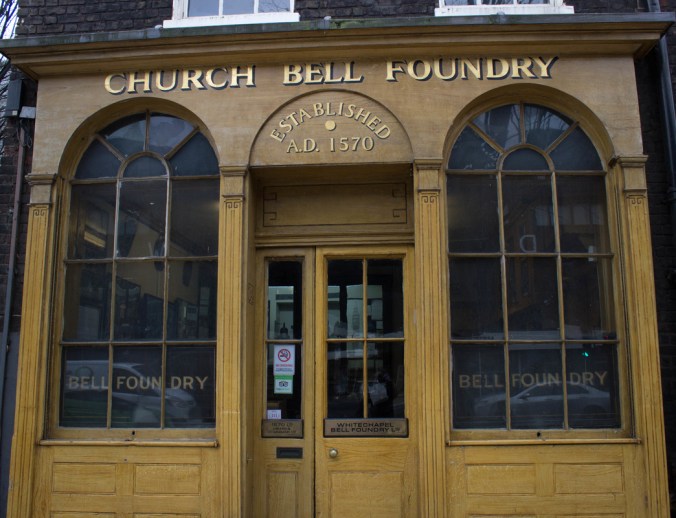
The oldest remaining bell foundry in London, the home of Big Ben.  
Picture

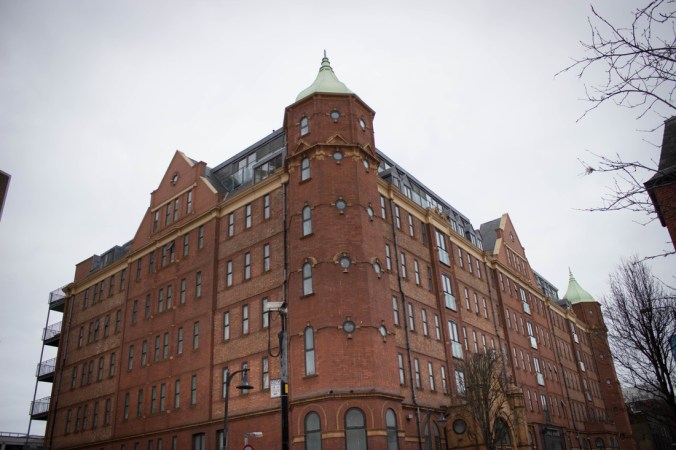
Tower House was built in 1902 as an affordable hostel for the poor in the area, when there was a severe lack of affordable housing. Sadly, the lack of affordable housing still exists (especially in this part of London) and the building has been converted to chic and expensive flats.

Picture

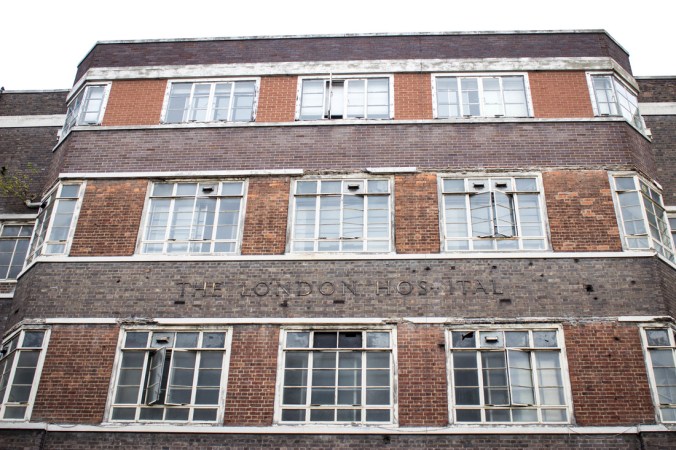
The London Hospital, built in 1740, is now abandoned and will likely be gentrified as part of the up-and-coming Tower Hamlets renewal. Something about its broken windows and worn-out appearance seemed a great symbol of the history of East London.

Lumiere London

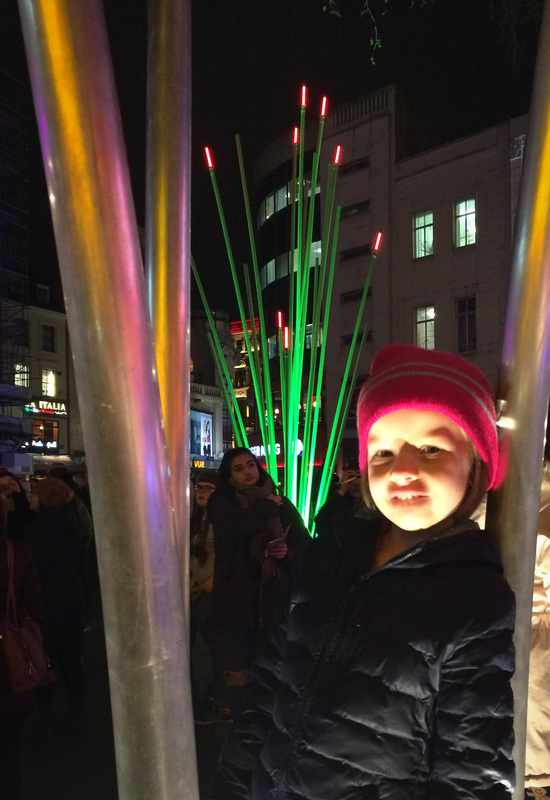
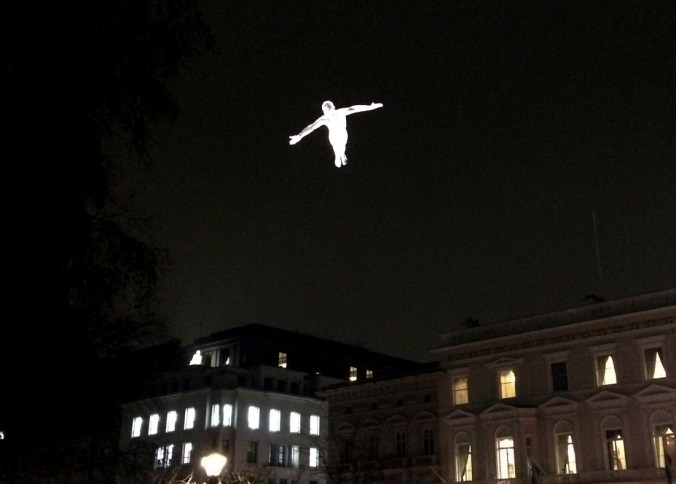
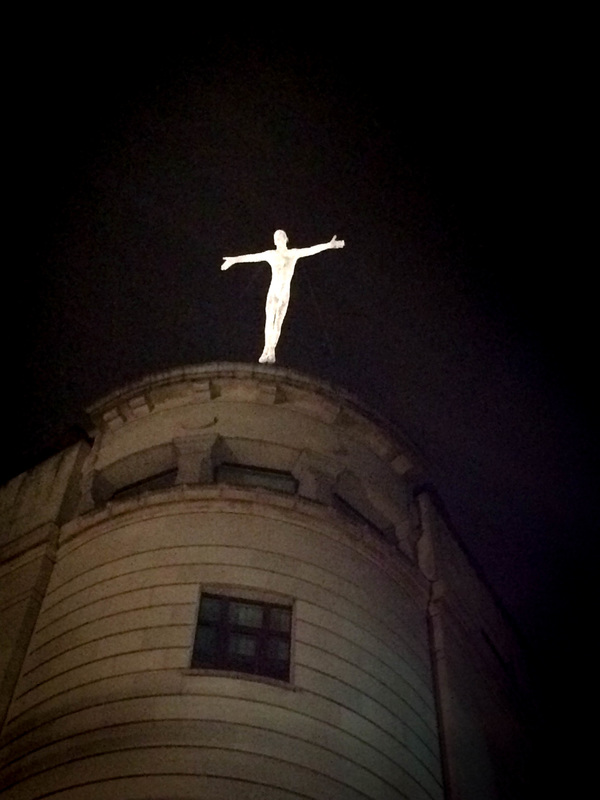
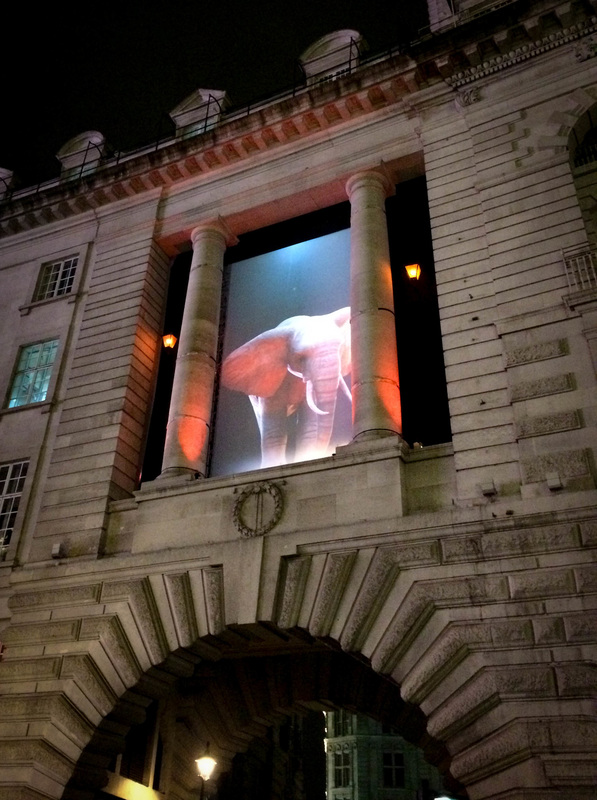
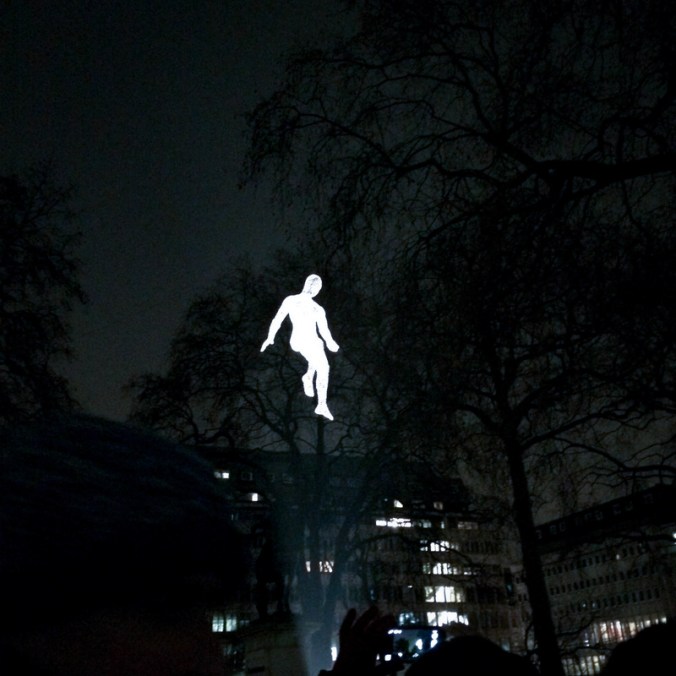
I heard about Lumiere London at the last minute.  It is a traveling art festival of sorts, designed all around light in urban environments, and it was only happening over a weekend. I saw it posted on Facebook on Friday.  Originally I thought it would be fun to take the whole family on Saturday night, but then Richard wasn’t feeling well and none of the boys were interested, so I nearly begged Mim to come along.  She was actually quite willing, she is always happy to have some one-on-one time.  

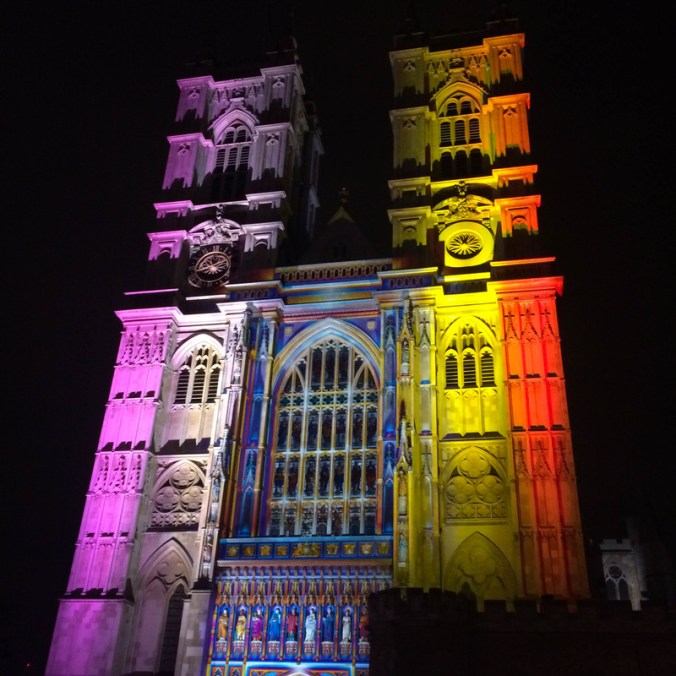
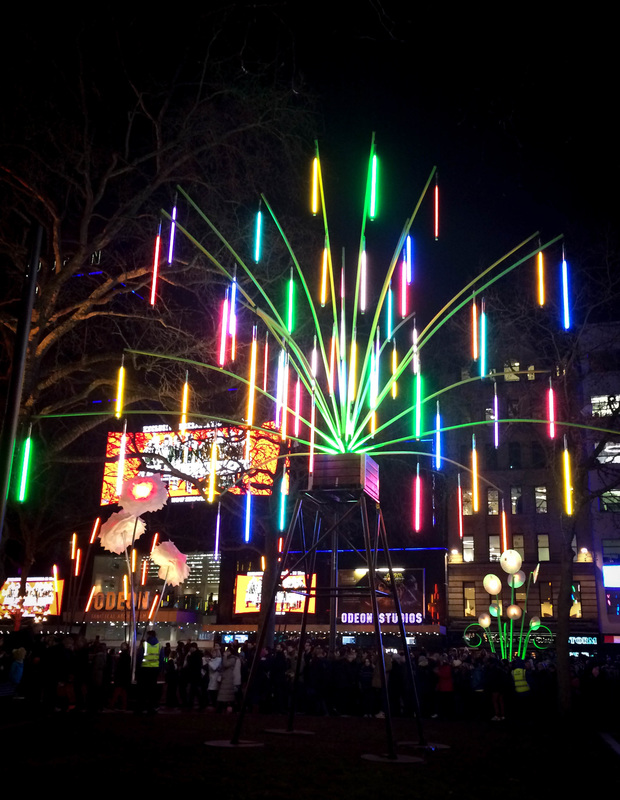
She’s such a fun girl to hang out with, and she chatted my ear off the entire way into the city.  The first installations we went to were a underwhelming, and the crowds were overwhelming and I wasn’t sure it was worth it.  We did a lot of walking and Mim, bless her heart, was a trooper.  As we made our way a little further out of the more popular areas we started to enjoy ourselves more.  The highlight of the whole night was definitely Westminster Abbey.  After we saw that one, we walked toward Victoria train station.  We bought some treats for the train ride home, but the next train to Lewisham wasn’t for awhile so I decided to take the tube to Cannon Street and catch a train from there.  (They are much more frequent.)  Unfortunately I completely forgot that Cannon Street station was closed that day, which I had actually known because I had been in the city that morning.  So we had to do MORE walking and by then we were both so tired that the evening kind of ended on a sour note.  We took the DLR all the way home from Bank and Mim fell asleep along the way.  None of that probably makes any sense if you haven’t used public transport in London, but someday when I read this I want to be able to feel sorry for myself all over again.  

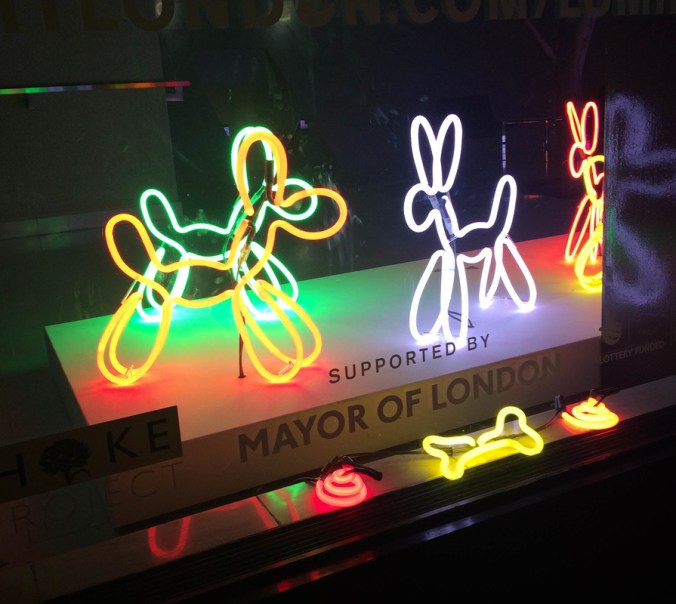
I didn’t take my camera because to be honest I’m no better at taking night-time photos with my DSLR than with my iPhone. Oh well.  Here is my shameless smattering of awkwardly cropped photos from the night.  

Bath 

If I have any regrets about how we’ve spent our time in London, it is that we haven’t taken more weekend trips.  It’s hard to balance being a tourist with living a normal life, and most of the time on weekends we just want to relax at home and do weekend things.  In a bit of a panic when I realized how many more places in England I want to see, I planned a spontaneous trip to Bath on New Year’s Day.  We left in the afternoon and made the rainy drive.  Luckily most of the drive was in daylight, and it was gorgeous despite the weather.  We even ended up on this countryside dirt (muddy) road that made Richard a bit nervous, but offered a real backdoor feeling into rural England.  

We arrived in the late afternoon, and went for a promised swim in the hotel pool with the kids.  The pool was nice and warm, and felt really good.  We swam for a long time and then ordered Chinese food and ate it in our hotel room.  (We didn’t plan that very well, and we had no plates… let’s just say we left an awful rice mess for the maid to clean up.) 

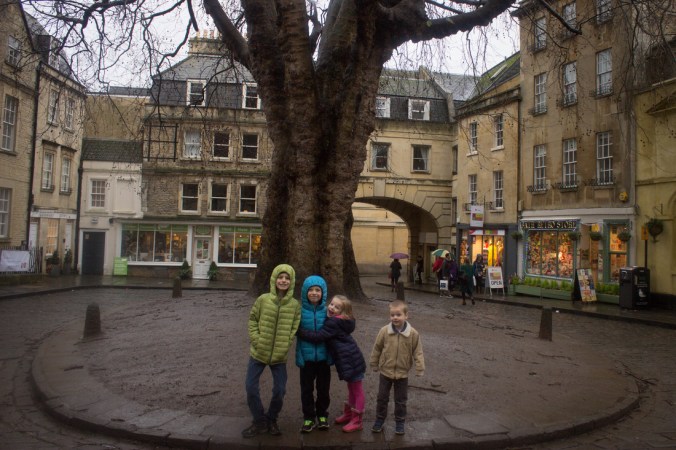
In the morning we woke up and left straight away for Bath. We only had one day to spend, and since it gets dark so early we wanted to maximize our daylight hours.  We found a place to park and then our first stop was the Sally Lunn Bakery, for breakfast.  

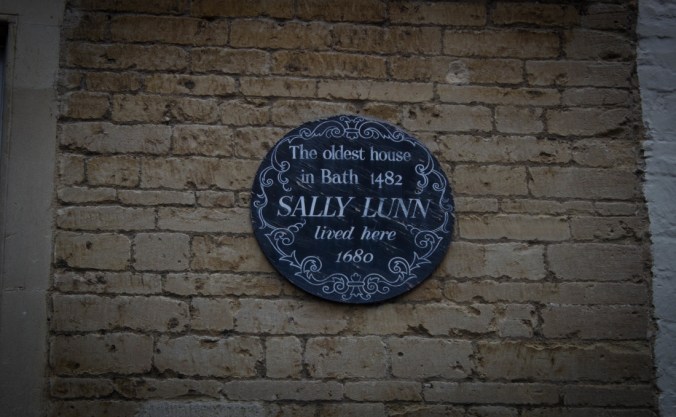
The Sally Lunn Bakery is the located in the oldest house in Bath, and gets its name from a French refugee- Solange Luyon- who escaped France in 1680 and came to Bath to open a bakery in this home.  She allegedly baked the first “Bath bun”, which are now apparently world-renowned.  (Rightly so, they were DELICIOUS.) 

Picture

Side note about Mim’s hair. A couple days before this trip I decided to cut Mim’s hair. She had been begging for a haircut for awhile, and I’d done it once before so I figured it’d be no big deal. It went horribly wrong, and Richard can attest to my despair at the result. Sadly, I felt I’d cut too much for a stylist to have anything to work with, so we just left it to time. That first week or two I cringed each morning when I tried to make it look decent. Miriam loved it, she didn’t seem to notice that it resembled a reverse A-line bob, longer in the back than in the front.

There were so many bun options it was hard to choose.  The kids and I tried jam, cinnamon and butter, dulce de leche and I can’t remember the other two.  Richard opted for a savory bun with egg and bacon.  They were a melt-in-your-mouth kind of bread and I think we could have all eaten a second one.  

In the basement of the restaurant was a small museum where the kitchen existed four hundred years ago.  We’ve seen in several cities how the street level gradually rises as the centuries go by, it’s an interesting phenomenon.  

All the kitchen tools were exactly as found when the kitchen was excavated not too long ago. 

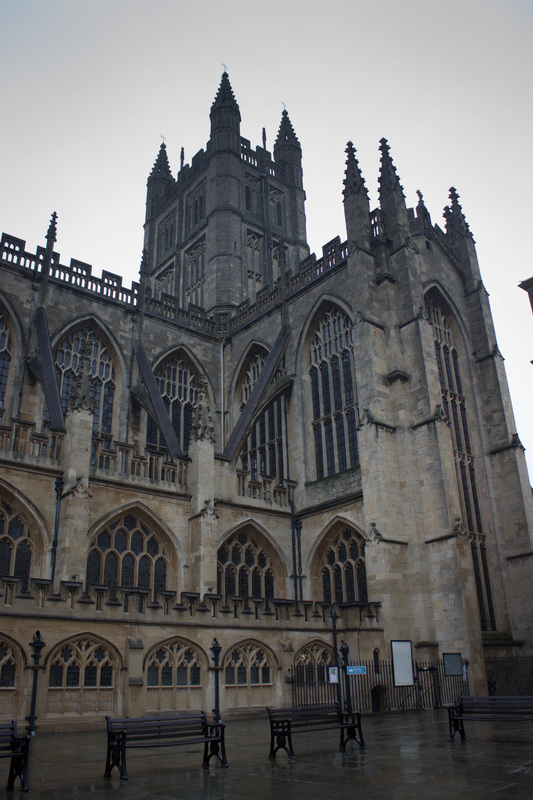
After we left the Sally Lunn house we walked past the Bath Cathedral, a foreboding Gothic presence in the heart of the city, and went to explore the Roman Baths.  We debated about whether or not the kids would be into it and it would be worth the money, but Richard said “You can’t go to Bath and not see the baths.”  

It ended up being really interesting and totally worth the cost.  

Picture

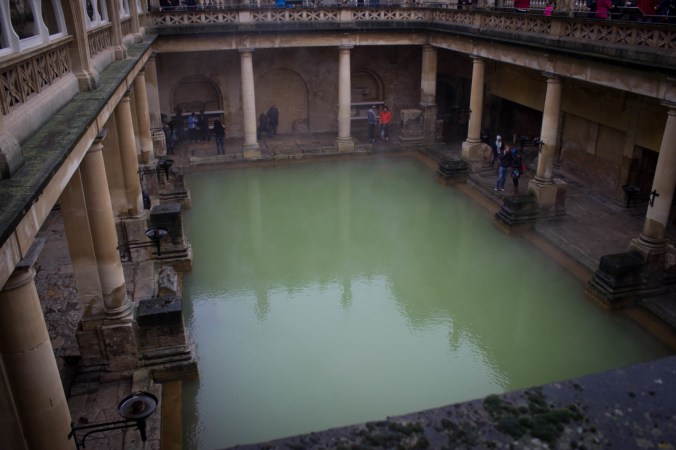
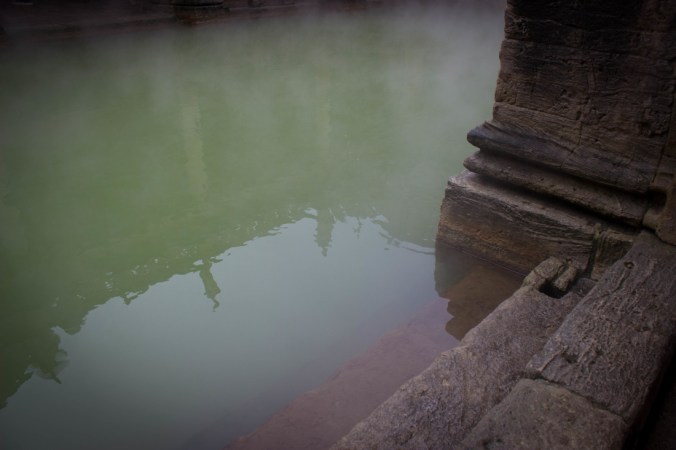
We learned that the eerie green color of the water comes from algae that grows because of exposure to the sun. During Roman times the baths were covered and the algae was not a problem, making the bathing part probably feel much cleaner.

I’ll spare details and refer you here, but I will say that the Roman baths are incredibly old. Unbelievably old.  The Roman temple on this location was first built around 60-70AD, and then the bathing complex was added over the next 30 years. The bath waters themselves are just rain water that has percolated through limestone aquifers where geothermal energy heats the water and then the heated water rises to the surface.  

The baths were part of a huge complex that has a fascinating history, and was certainly the heart of Roman social life in Bath. The waters have also been rumored to be healing, and for hundreds of years people would holiday in Bath to “take the waters” for anything from leprosy to infertility.  Even today people believe the waters to be healing because of their heavy mineral content.  

Picture

These brick/stone stacks would support the floor of the rooms of the spa, stoves would circulate steam and heat through them so the floor would be heated, so hot in fact that sandals were necessary,

Picture

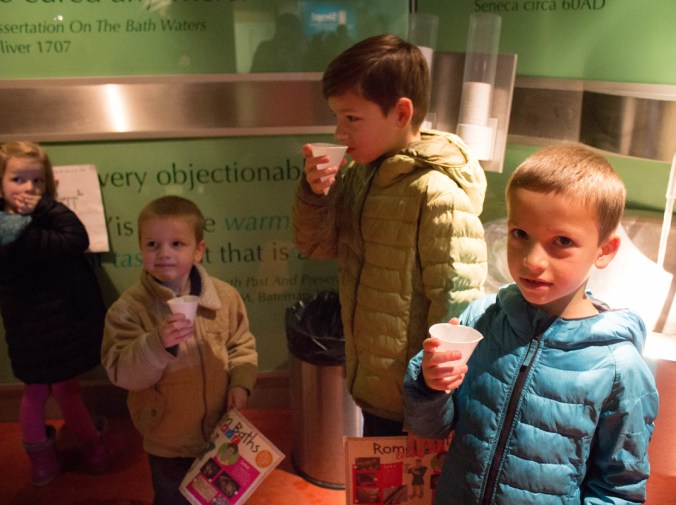
The kids tasting the water, their faces say it all.

Picture

The Circus

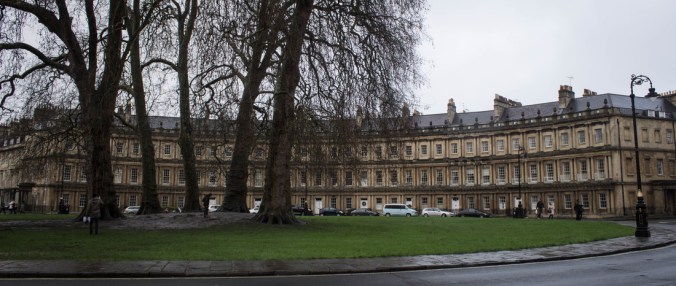
After our visit to the Roman Baths we took a walk to see some landmarks.  The first stop was The Circus, which is a really cool residential architectural concept.  (I learned early on in London that the word circus meant something circular, ie Picadilly Circus, Oxford Circus, and not a carnival.) This circus in Bath consists of three curved rows of townhouses that enclose the grassy area in the center.  The buildings themselves are beautiful, but I loved the feeling of it, standing there in the center.  

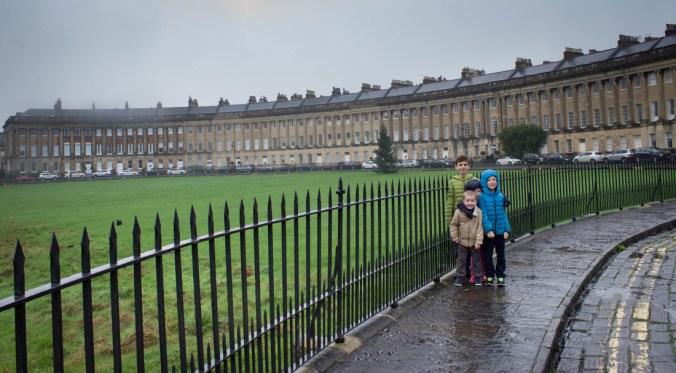
From there we walked a little further on to another circular row of buildings, The Royal Crescent. Designed by the same architect as The Circus, it is one of Bath’s most iconic landmarks, and can be seen in lots of BBC films that take place in Bath.  

We were getting pretty soggy in the rain and hungry as well so we found a restaurant for some late lunch.  It was a busy Saturday and they warned us that our food would take a long time to get out to us, but fortunately they had books and board games to distract the kids while we waited.  

As soon as I finished eating I walked around the corner to the Jane Austen Centre.  I spent about an hour there while Richard and the kids walked back to the car, filled up with petrol, and then came and picked me up.  It was fun to learn more about Jane, but the museum was mostly about her life in Bath, which was just a portion of her life.  I was a little disappointed.  

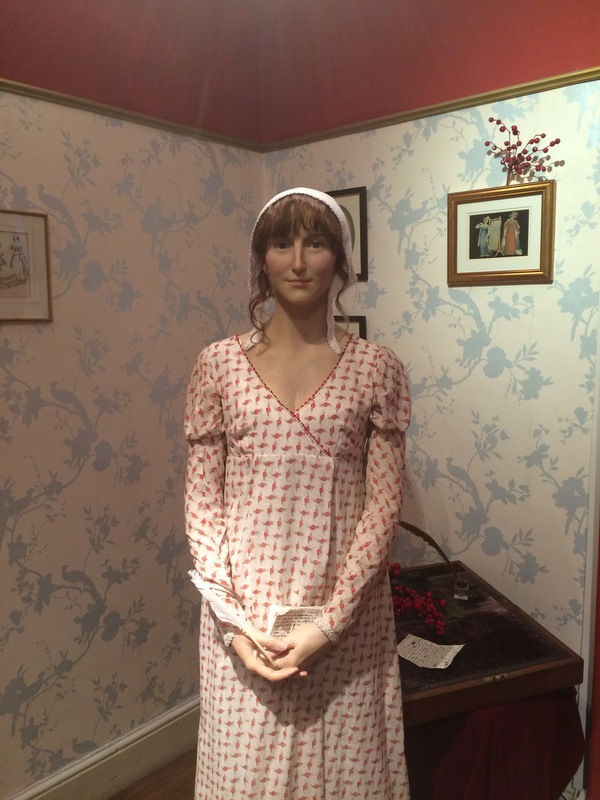
There is some dispute about what Jane Austen looked like, but some forensic historians used all they information they could find on her to make this wax model.  

It was dark by the time Richard and the kids picked me up, but there was one more place in Bath that I didn’t get to see, Pulteney Bridge.  So we drove past it and I hopped out and snapped a couple quick pictures with my phone.  The pictures are terrible, but the bridge itself was charming.  It’s a very popular bridge, and has been referred to as “the most romantic bridge in the world.” I can see why, especially when seen walking along the Avon river.  
Much better pictures here. 

I hopped back in the car, and after a long and confusing detour we finally found our way out of Bath and back toward London.  It was a long drive home in the rainy dark, but I’m glad we made the trip.  

The London Transport Museum & Covent Garden – #3

During the week between Christmas and New Year’s, Richard had to spend a day catching up on some online training for work, so I took the kids into the city.  We referred back to our trusty City Walks with Kids (I’m super excited because I just ordered the New York City version.)  and found one that looked fun.  

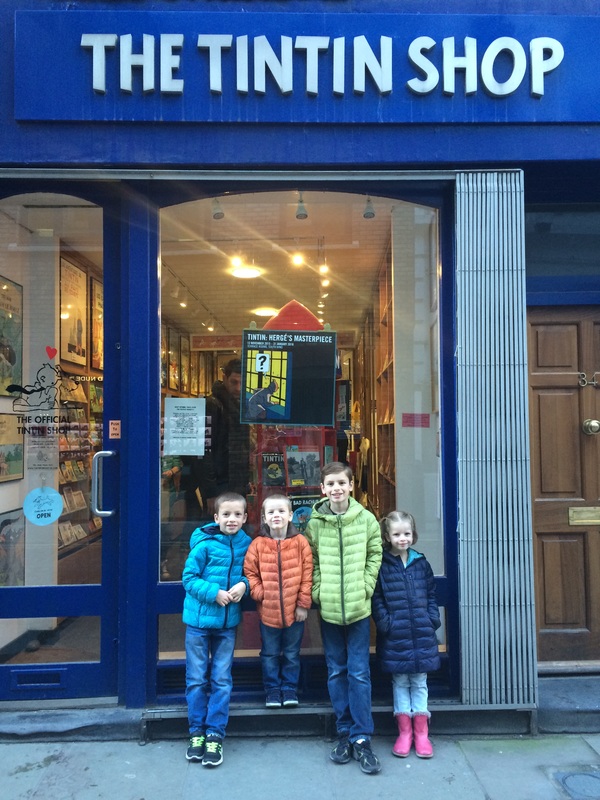
The first stop was the Tin TIn Shop. Tin TIn is a famous European cartoon character from comics that were published from 1929-1976 by a Belgian cartoonist.  It has been one of the most popular comics of the 20th century in Europe, but apparently never took hold in the U.S.  We bought a Tin Tin comic book, but the kids really didn’t know much about Tin Tin or his cute dog Snowy so we didn’t stay long in the shop.  

Picture

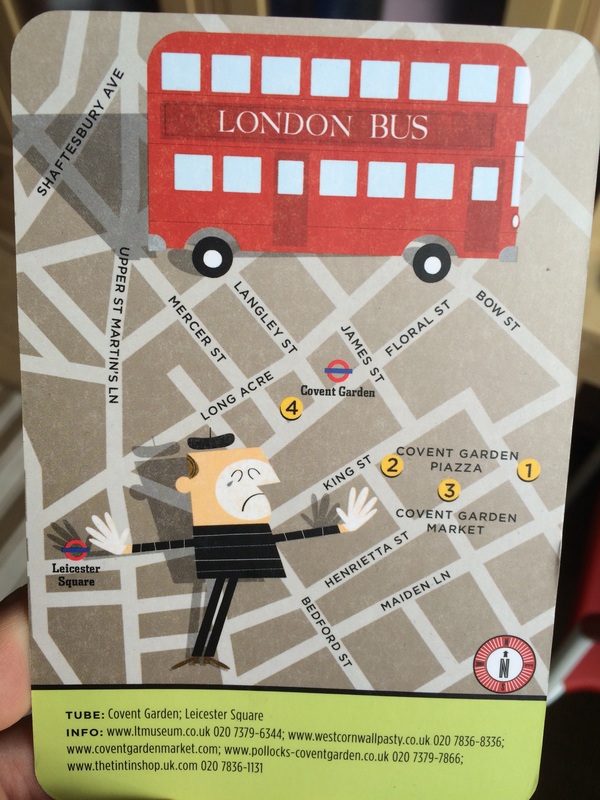
DLR to Canary Wharf, Jubilee Line to London Bridge, Nothern Line to Covent Garden.

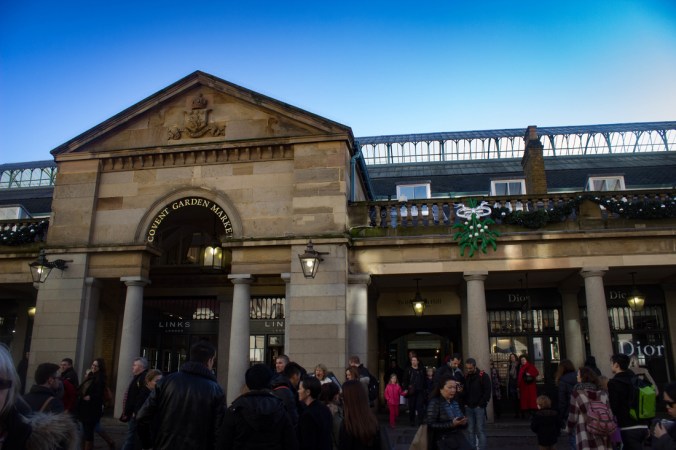
The Tin Tin shop is just around the corner from Covent Garden, where there are always entertaining buskers.  Mim loved this silver lady.  
There is a small creperie in the basement of the market so we went there for lunch.  I’ve been there a few times, and it was delicious as usual.  
Picture

Patiently waiting for his banana and honey crepe.

Picture

The rest of us had some version of nutella, strawberries, cream and belgian chocolate.

Picture

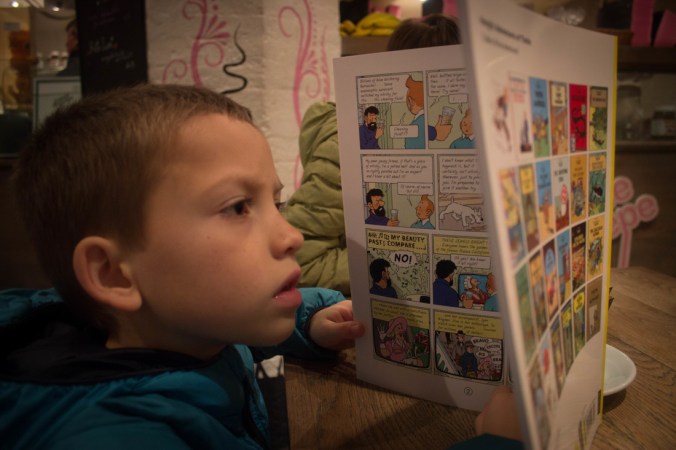
Eli devouring the Tin Tin comic book while he waits.

Picture

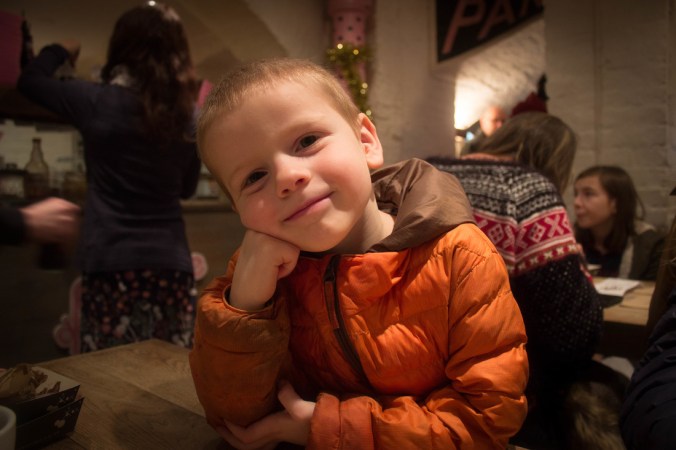
Not bad for a reluctant smile because I wouldn’t let him get a soda.

After lunch we went to a couple small toy shops in Covent Garden and the kids used some money they had earned to do a little shopping.  Next we went to the London Transport Museum which is just outside Covent Garden.  All the photos I took in the museum I took with my phone.
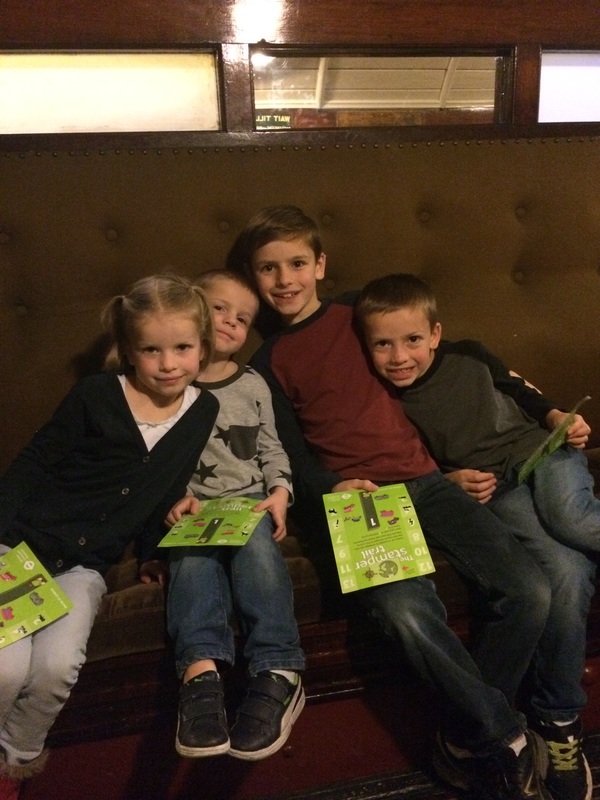
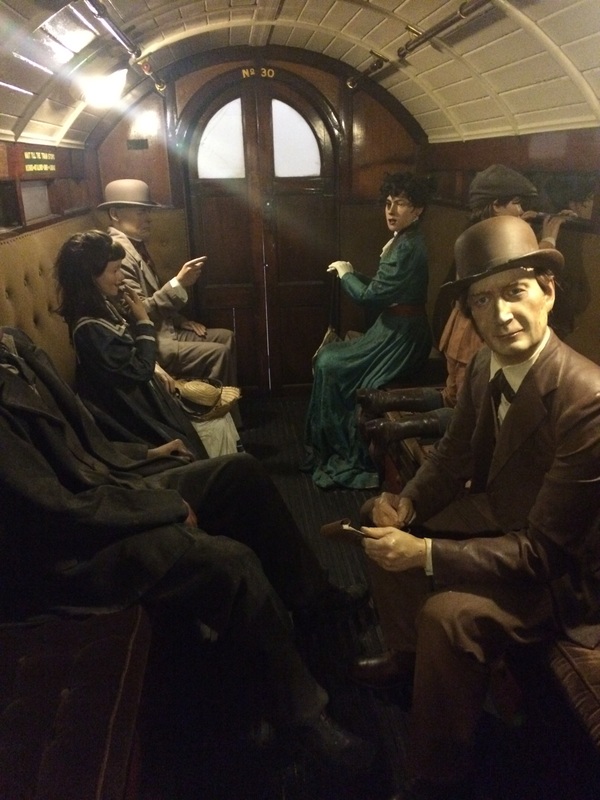
The museum was really interesting.  It covered public transport in London for the last 200 years.  It was chronologically organized and had trains and buses and carriages from each era that you could see up close and climb inside.  There was also a children’s activity page that the kids punched along the way.  We had a really fun time and stayed a lot longer than I had expected to.  
After we left the museum the kids begged for a snack so we bought some crisps to eat on the tube.  I was discussing with a friend recently about how much our recreational activities revolve around food, and it’s so true.  Whenever I’m out with the kids they always want to know when and what we are going to eat.  It’s a bit obsessive and I want to try to find a way to change that but I don’t have any ideas yet… Part of the problem is ME, I’m no different. I always want food to be involved in anything I do.  

All in all it was a really successful day, of course by the time we are taking the trains home the kids are tired and the excitement is gone and they get cranky and disruptive, whereupon “Mean Mom” comes out.  But we seem to be lasting longer and longer before we hit that breaking point, for which I’m grateful.  

Down House – Home of Charles Darwin

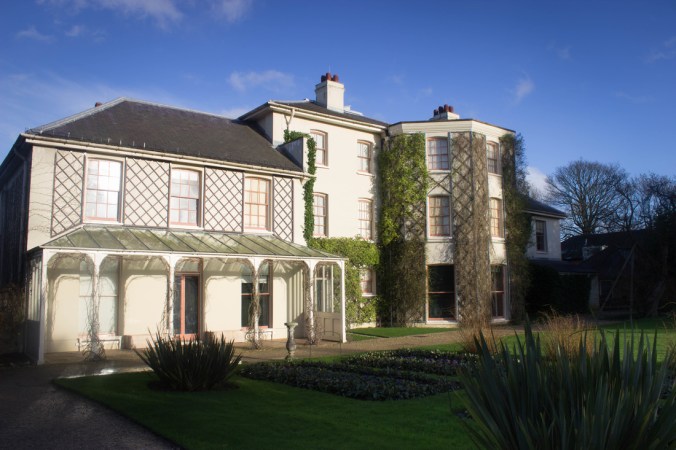
Since we decided not to travel during the kids’ school holiday I wanted to make the most of our time by seeing some places nearby.  We have an English Heritage Membership that gets us into sites for free, so I just chose Down House from the website, and it’s not too far away so we packed some snacks and drove there.  

I loved it more than I expected to.  It started a discussion between Richard and I about how we can give labels to people, or put them in categories that prevent us from really knowing, appreciating and learning from them.  Growing up as Christians who wholeheartedly believed in Creationism, making few or no allowances for evolution, neither of us ever gave Charles Darwin the time of day.  We associated him with labels like “Godless”, and our fears and narrow-mindedness prevented us from admiring him and valuing his work and his contributions to science, as well as his good nature and character as a devoted family man. Of course as children, it’s natural to see the world in black and white, and to cling to ideas and beliefs that feel safe and validating.  But I’m grateful that in my adult life I have had college professors, friends, family members and media (ie, books, podcasts, articles) that have helped me consider new ideas and beliefs.  Fear, defensiveness, and a determination to be “right” have been obstacles in my life, and probably continue to prevent me from really wonderful relationships and discoveries.  

Okay, end of tangent. 

Down House was really kid friendly, there was an activity room for the kids, as well as a scavenger hunt of sorts where they had to identify different objects in each of the rooms.  Richard and I took turns helping the kids with their activity and listening to the audio guide.  

The house is also decorated with a lot of original furnishings, and to see the black chair from which Darwin sat while contemplating and writing The Origin of Species had me a bit awestruck.  The Darwins had 10 children, and Charles was an engaged father.  All of the children recalled a happy childhood where their father taught them, read with them and they all loved playing games together.  Charles was also devoted to his wife, respectful of her Christian beliefs, and spent nearly all of his time at home, where he did his research and writing.  But he knew heartbreak, he lost three of his children in their infancy or childhood, and this caused him great suffering.  

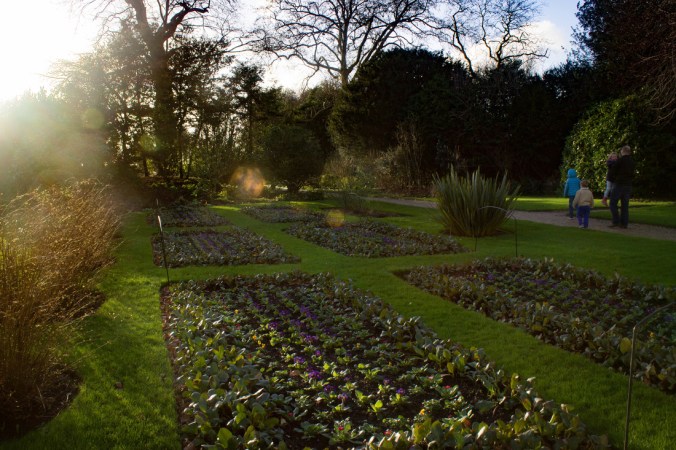
There was no photography allowed in the house, so I didn’t take any pictures.  When we finished in the house we stopped in the little cafe for a light lunch.  We shared a pasty, a jacket potato and a toastie.  (All so classic British.)  Then we went outside and walked around the gardens.  Despite the glorious sunshine it was quite cold, so we didn’t stay too long before retreating to the warmth of our car.  (And the rest of our snacks.) 

Picture

(I’m laughing to myself as I post this photo because it’s so easy to love these children of mine when they are at school. The last two days we haven’t all been getting along… But I’m so grateful for them and the way they love each other. When they do.)

It was such a lovely house in a lovely area with lovely gardens, I can see why Darwin lived here for 40+ years.  

Christmas 2015

Our two Christmases in London have been pleasantly quiet, cozy and relaxed.  This year especially, because we didn’t have to get ready for a trip the next day like we did last year.  On Christmas Eve we went and saw the Charlie Brown movie, came home and had Hawaiian Haystacks for dinner (Bird family tradition) and then went to our ward’s Christmas Eve Carol service.  The carol service just feels exactly like the right thing to do on Christmas Eve.  

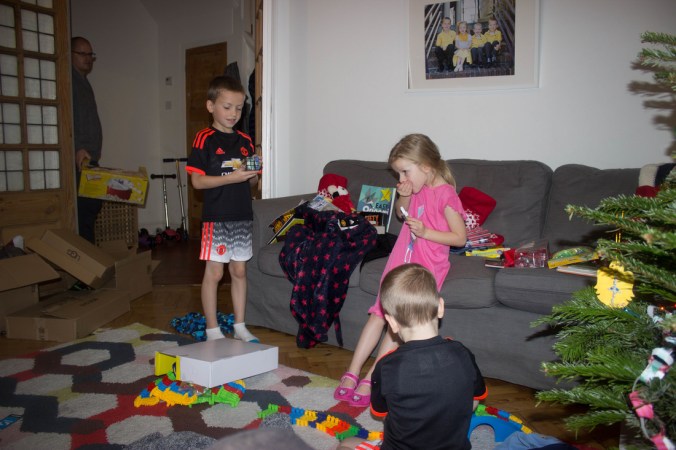
We came home, the kids opened their gifts, which were “dressing gowns”, we did a few other festive things and then they all went to bed.  We let them all sleep together in Cameron and Eli’s room, and miraculously they had no trouble falling asleep.  

They all creeped into our room on Christmas morning around 7:00am, which was a pleasant surprise, but still didn’t feel like enough sleep for the late-nighter parents.   I made them each have a piece of toast for breakfast and then the magic began.  (I thought about doing some delicious Christmas breakfast, but that’s just not what kids of their ages appreciate.)  

Picture

Cameron got a football goal from Santa and some football/athletic clothing from us. Mim got a Frozen Castle from Santa and some Hello Kitty slippers from us.

The kids each got one gift from Santa, one gift from Richard and I, and then some books.  (And then there were gifts from grandparents.)  
Picture

Simon got a Union Jack sherpa blanket from Santa (he had previously hijacked MY sherpa blanket) and a Manchester United football kit from us.

Picture

Eli got a magic set from Santa and a Manchester United football kit from us.

Picture

Santa also brought each of the kids an American food. Cameron – poptarts, Eli – mac & cheese, Mim – Frozen cereal and Simon – Teddy Grahams.

I. love. Christmas.  I know it’s a bit materialistic, and I’m trying each year to be more careful about that, but I also just really love watching my kids open presents.  And I’m so grateful we’re blessed to be able to do that.  

Richard bought me a new laptop- which was completely unexpected but also completely what I wanted.  

We spent Christmas day just relaxing and playing around with our new things.  Then we ate a nice Christmas dinner together, with Christmas crackers of course.